


What Makes Our Faces Look Older? Understanding How the Face Ages
- dranataliamoore
- 7 minutes ago
- 7 min read

One of the most common things I hear in clinic is:
“I don’t necessarily want to look younger…”
“I just don’t want to look so tired.”
“ I want to look brighter”
“ I don’t want things to be so saggy.”
…”and I don’t want to look ‘odd’! “
Whether you can identify what has changed; you and have suddenly noticed your face feels heavier or less defined or duller, or you cannot pinpoint it, you just know something is different - for all of us, it actually rarely comes down to one reason. Facial ageing isn’t about one wrinkle, one hollow or one area of sagging. Our faces age from the surface of the skin right through to the deeper structures underneath it. And it is the combination of these that tells us a face looks older.
Skin quality changes. Fat pads shift and reduce. Muscles continually pull on the face. Ligaments become less supportive. And even the bones of the face gradually change.
Understanding which of these layers is contributing to what you see in the mirror is one of the most important parts of creating a treatment plan that actually works.
It is also how we avoid simply chasing individual lines with filler or Botox — and instead choose treatments that help you look fresher, healthier and more rested, while still looking like you.
Where our faces age
I often explain facial ageing by thinking about the face from superficial to deep:
Skin
Superficial fat and facial volume
Muscles and facial movement
Ligaments and deeper support
Bone
All of these layers interact.
A shadow under the eye, for example, might look like a skin problem. But it could actually be caused by thinning skin, loss of cheek support, changes around the eye socket — or, more commonly, a combination of several things. This is why two people with what appears to be the same concern may need completely different treatments.
1. The skin: texture, pigmentation, redness and fine lines
The skin is the most superficial layer, but it has an enormous influence on how youthful and healthy a face appears. And nobody is ever disappointed with glowing clear skin!
As we age, collagen and elastin production gradually decline. Cell turnover slows and the skin can become thinner, drier and less resilient. Sun exposure, inflammation, hormones, smoking, stress, nutrition and our skincare habits can all influence how quickly these changes become visible.
We may start to notice:
Fine lines
Crepey or thinning skin
Enlarged pores or coarse texture
Pigmentation and sun damage
Redness
Dehydration
Reduced elasticity
Dullness or loss of luminosity
Interestingly, improving skin quality alone can sometimes make someone look considerably fresher without changing the shape of their face at all.
How to make skin healthier
This is why I tend to start with skin health first and have always taken a skin longevity approach.
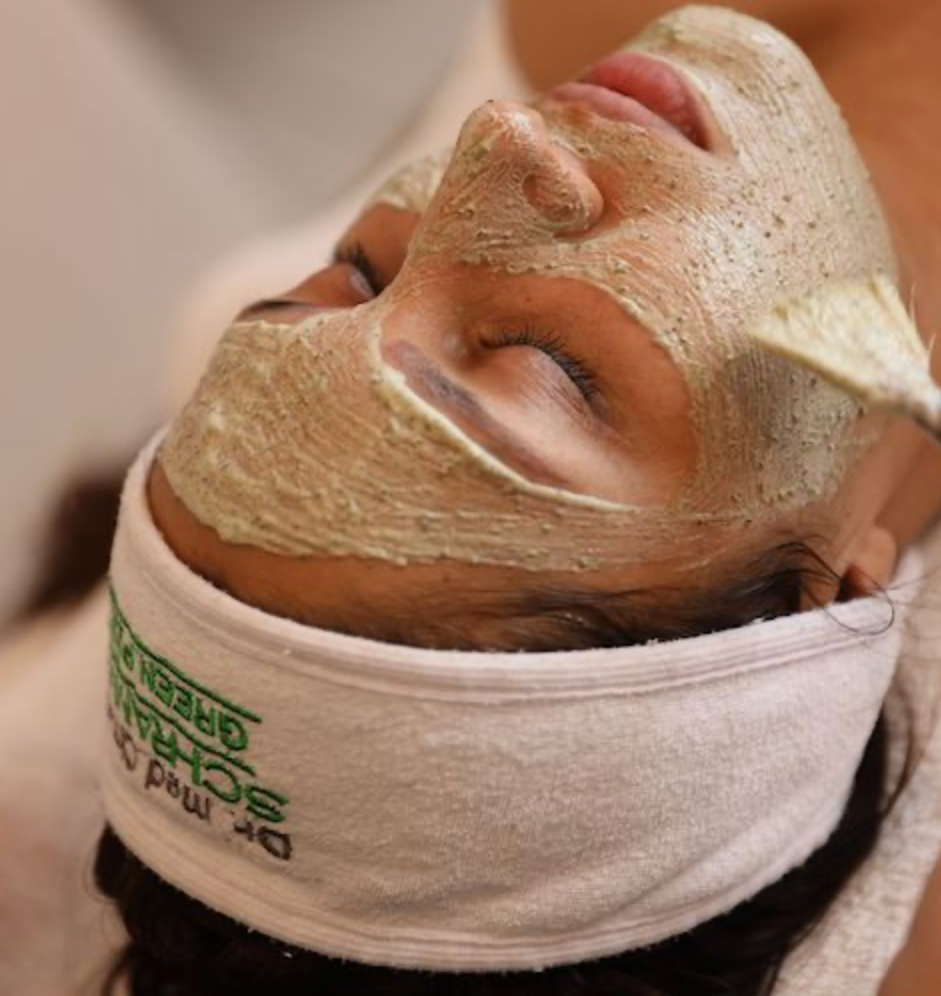
Prescription or medical-grade skincare may be appropriate, alongside treatments such as medical facials, chemical peels, SkinPen or RFmicroneedling, HIFU, skin boosters, polynucleotides, LED therapy or regenerative biostimulator injectable treatments.
For more texture concerns we may opt for microneedling, for more established collagen loss or laxity, we might consider treatments such as RF microneedling, HIFU or Julaine of Sweden. For more dehydrated skin we would opt for hydrating skin boosters such as Profhilo, and for inflammation antiinflammatory polynucleotides,
The aim isn't simply to temporarily make the skin look better. Where possible, we want to encourage the skin to function better and maintain its strength and resilience over time.
True skin longevity rather than simply anti-ageing.
2. How loss of fat pads and facial volume makes a face look older. Why faces become flatter, heavier or more hollow
Underneath the skin sit multiple compartments of facial fat. When we are younger, these help create the soft curves and transitions we associate with a youthful face. But ageing doesn't simply mean that we “lose fat”. Some areas lose volume. Others descend or redistribute. And in some parts of the face, fat can become more prominent.
This can create:
Hollowing around the eyes
Flattening through the cheeks
Temple hollowing
Deeper nose-to-mouth lines
Marionette shadows
Jowling
Loss of jawline definition
This is also why simply putting filler into the line or hollow that bothers you isn't always the best answer. A tear trough, for example, may partly be caused by loss of support in the cheek. Treating the hollow alone can sometimes result in too much product being placed into a delicate area. Similarly, repeatedly filling nasolabial folds or marionette lines without considering the rest of the face can eventually make the lower face appear heavier rather than younger.
How to treat it sagging or hollowness and look natural
First we work out whether the issue is genuinely volume loss, or whether skin laxity, ligament changes or changes in facial structure are creating the appearance of volume loss.
Where appropriate, carefully placed dermal filler can restore structural support and improve facial balance. But filler is only one tool. For someone who has reasonable facial structure but is beginning to notice softer contours or early laxity, a regenerative approach using treatments such as Julaine, RF microneedling or HIFU may be more appropriate. Often, the most natural result comes from combining small amounts of different treatments rather than asking one treatment to do everything.
3. How face muscles change with age: the face is constantly moving
Our faces are dynamic. We smile, squint, frown, talk, laugh and express ourselves thousands of times every day. Over time, repeated muscular movement contributes to lines becoming visible even when the face is resting.
This is particularly noticeable with:
Forehead lines
Frown lines
Crow's feet
But facial muscles can also influence shape and heaviness.
Some muscles pull parts of the face downwards. As the balance between different muscles changes with age, this can contribute to heavier brows, downturning around the mouth or reduced definition through the jawline and neck.
How to relax overactive facial muscles, reposition and balance features
Botulinum toxin can be extremely effective when muscular movement is genuinely contributing to the concern. But the aim shouldn't necessarily be to remove all movement. Used thoughtfully, small amounts can rebalance muscular pull, soften lines and subtly improve facial shape while preserving natural expression. And if a line is already visible at rest, Botox alone may not completely correct it. We may also need to improve the quality and collagen content of the skin itself.
4. Ligaments: the scaffolding of the face
One of the less visible but very important parts of facial ageing is what happens to the deeper supporting structures. Facial ligaments help anchor our soft tissues to the underlying skeleton. Over time, changes in these structures — alongside changes in fat, skin and bone — mean that the tissues of the face are supported differently.
This contributes to the feeling many patients describe as:
“Everything just seems to have dropped.”
We might notice heavier cheeks, deeper folds, jowling or less distinction between the face and neck.
How we treat it
This is where simply treating the skin surface may not be enough. Depending on the degree of change, we might consider HIFU, RF microneedling, collagen-stimulating treatments such as Julaine, or carefully positioned structural filler. The important thing is understanding why the face looks heavier before deciding how to treat it.
5. How bones change in the face as we get older: the deepest layer of facial ageing
Perhaps surprisingly, our facial skeleton changes throughout adulthood too. Bone gradually remodels and certain areas lose projection and support. Changes can occur around the eye sockets, cheeks, jaw and chin.
Because everything else sits on top of this framework, relatively subtle skeletal changes
can influence what we see on the surface.
For example, reduced structural support can contribute to:
Under-eye hollowing
A-frame changes and laxity in upper eye lids
Flattening of the mid-face and loss of apple of cheeks
Loss of jawline definition and worsened of jowling
Changes around the mouth, marionete lines
A shorter or less projected chin
How can you improve aging facial bone structure
We cannot replace the underlying skeleton, but carefully placed structural filler can sometimes restore some of the support that has been lost. Importantly, this doesn't mean trying to recreate the face you had at 20. The aim is to understand your existing facial proportions and subtly support them. Done well, other people shouldn't necessarily notice that you've had anything done. You may simply look healthier, fresher or better rested.
So what actually makes a face look older?
Usually, it isn't one thing.
Someone might come to see me because they dislike their jowls, but when we assess the face properly we may find a combination of:
skin laxity + reduced cheek support + downward muscular pull + changes in deeper facial structure.
Another patient may dislike their under-eyes, but the problem may actually be:
Tiredness, low iron + thin skin + pigmentation + loss of cheek volume + structural hollowing.
That distinction matters.
Because if we treat only what we can see on the surface, we can end up repeatedly adding product without addressing what is actually causing the problem.
This is why consultation matters
Rather than starting with “Which treatment do you want?”, I prefer to start with:
“What is making you look or feel different?”
We can then assess the face from superficial to deep.
Is it predominantly skin quality?
Is there inflammation or dehydration?
Has collagen reduced?
Is there genuine volume loss?
Is muscular movement contributing?
Is the face beginning to lose deeper structural support?
And equally importantly: which areas don't need treating?
From there, we can decide what is likely to make the biggest difference and what isn't worth doing. For one person, that might mean skincare and microneedling. For another, it might be improving skin quality before introducing HIFU or a collagen-stimulating treatment. Someone else may benefit from a small amount of Botox or carefully placed filler — but considerably less than they expected once the other layers have been addressed.
Treat the cause, not just the wrinkle
There is no single “best anti-ageing treatment”. And I actually think that's a good thing.
Modern aesthetics is moving away from trying to fill every hollow, freeze every line or make a 50-year-old face look 25. And this is how I have always approached things.
Instead, let’s look at how and why your individual face is ageing and choose treatments that support the structures that need help while leaving everything else alone. Sometimes that means improving the skin. Soemtimes this is prioritising protein and healthy fats in your diet and optimising sleep. Sometimes stimulating collagen. Sometimes restoring a little structural support. And sometimes it means deciding that a line or hollow is part of what makes your face your face — and doesn't need correcting at all.
The goal isn't to stop your face ageing. It's to help your skin and facial structures age as well as possible, so that over time you continue to look healthy, rested, balanced and recognisably you.


Comments